

Call us now
07971190504
conduction heat transfer
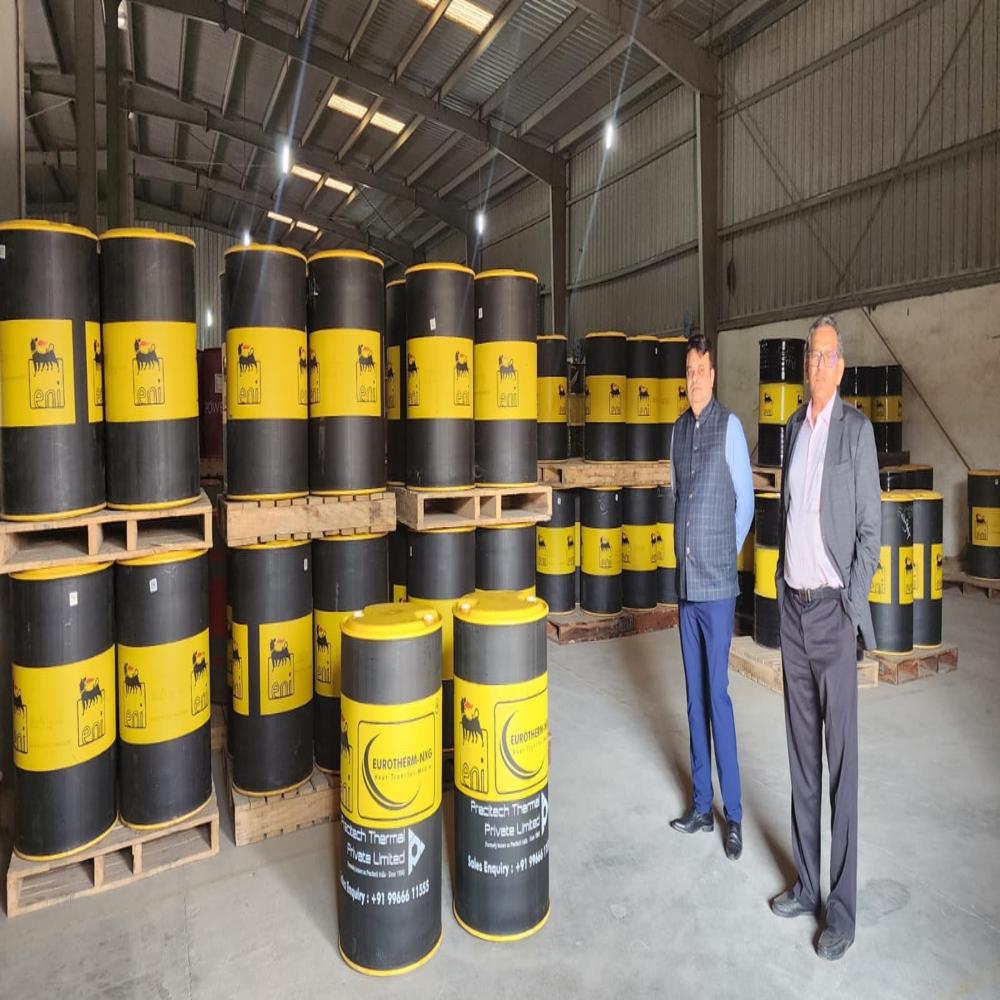
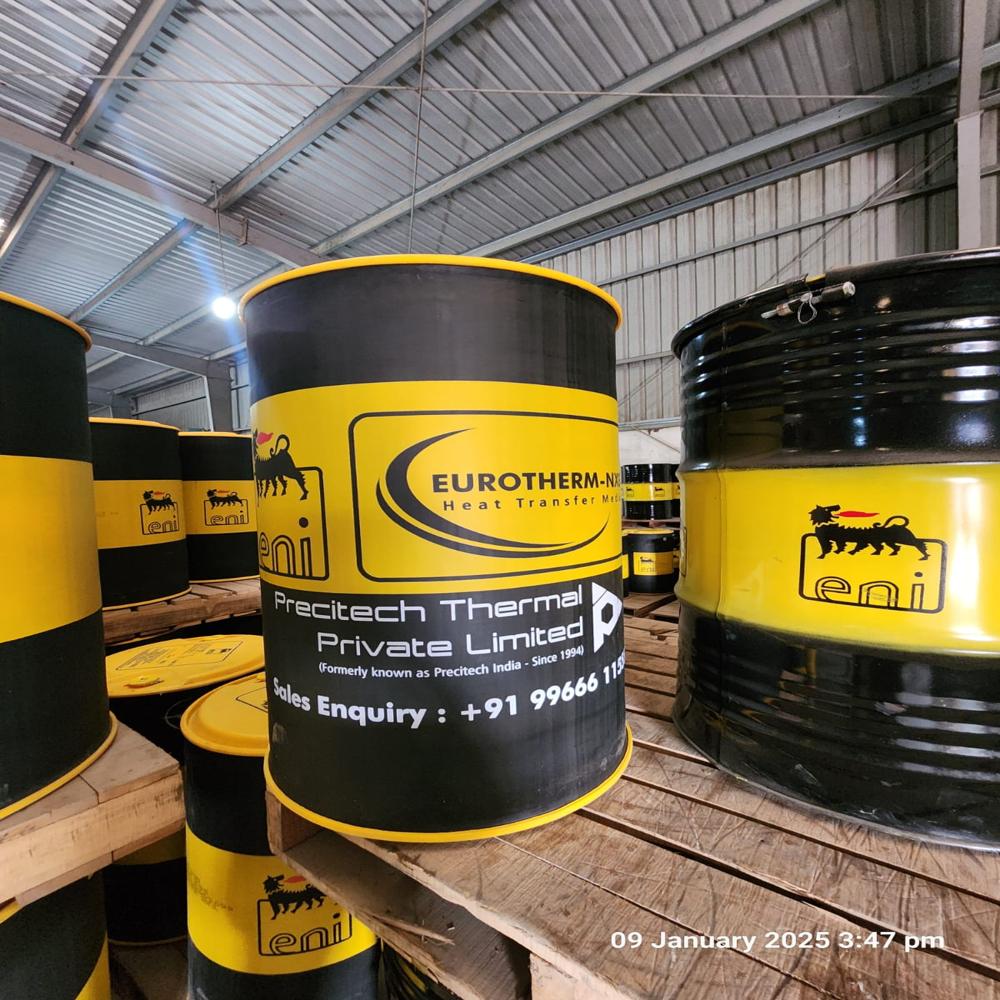

conduction heat transfer Specification
- Usage & Applications
- Laboratory, Educational Institutes, Engineering Colleges
- Type
- Conduction Heat Transfer Demonstrator
- Material
- Mild Steel, Aluminium, Copper, Brass
- Capacity
- Single Experiment Setup
- Voltage
- 230V
- Power
- 230V AC, 50Hz, 0.5 kW
- Power Source
- Electric
- Input Voltage
- 230V AC
- Output Voltage
- Variable (Depends on heater used)
- Installation Type
- Table Top
- Dimension (L*W*H)
- 600 mm x 450 mm x 600 mm
- Weight (kg)
- Approximately 35 kg
- Color
- Blue & Grey
- Thermocouple Range
- 0-200C
- Operating Temperature Range
- Ambient to 200C
- Number of Specimens
- 4 different metal bars
- Cooling Type
- Natural Air Cool
- Assembly
- Preassembled, Ready to use
- Data Acquisition
- Manual/Optional Digital Interface
- Insulation Type
- Ceramic Fiber Insulation
- Heater Type
- Rod Heater
- Safety Features
- Fuse, Overheat Protection
- Measuring Instruments
- Thermocouples, Digital Display
- Control Panel
- Digital Temperature Indicator with selector switch
conduction heat transfer Trade Information
- Minimum Order Quantity
- 210 Liters
- Payment Terms
- Cash Against Delivery (CAD), Cash Advance (CA), Cash in Advance (CID), Cheque, Delivery Point (DP)
- Supply Ability
- 1 Liter Per Week
- Delivery Time
- 1 Hours
- Sample Available
- No
- Sample Policy
- Free samples are available
- Packaging Details
- drum
- Main Export Market(s)
- Asia
- Main Domestic Market
- All India
About conduction heat transfer
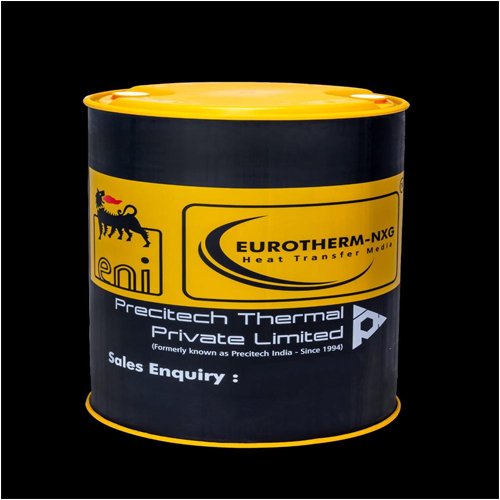
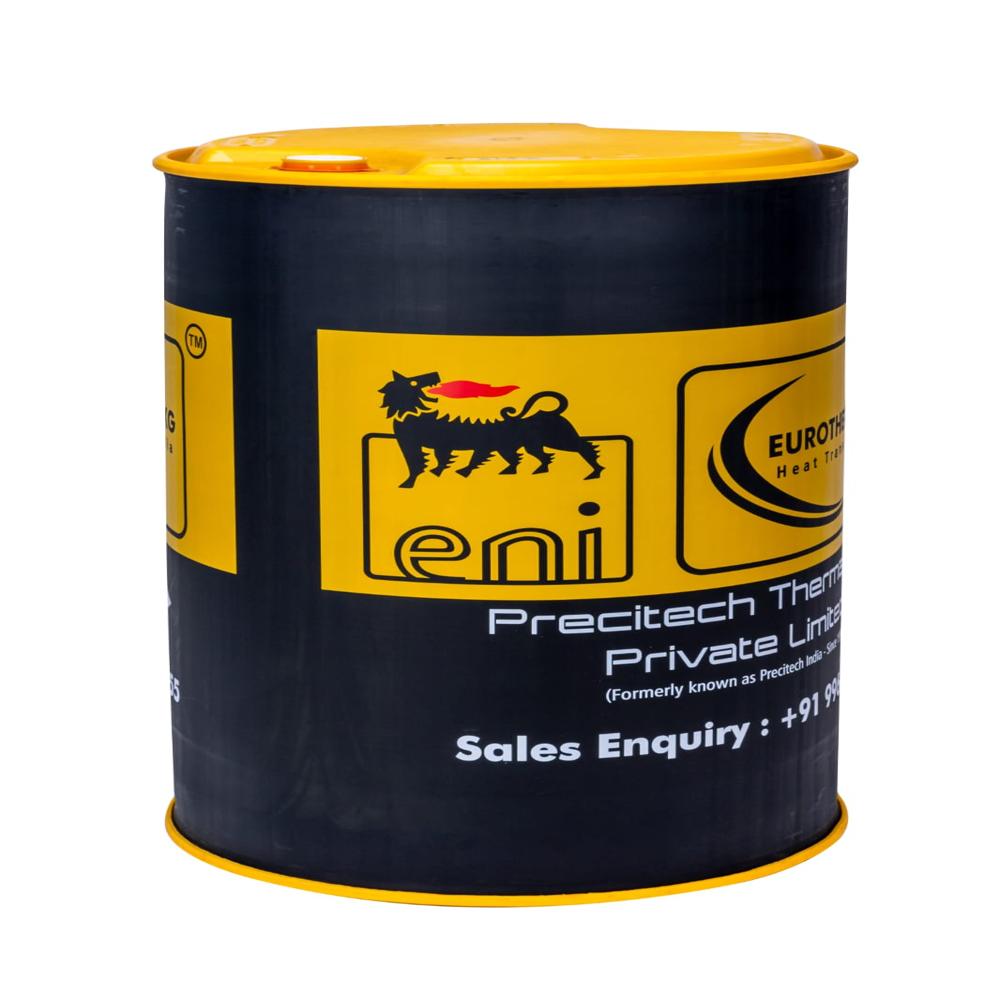
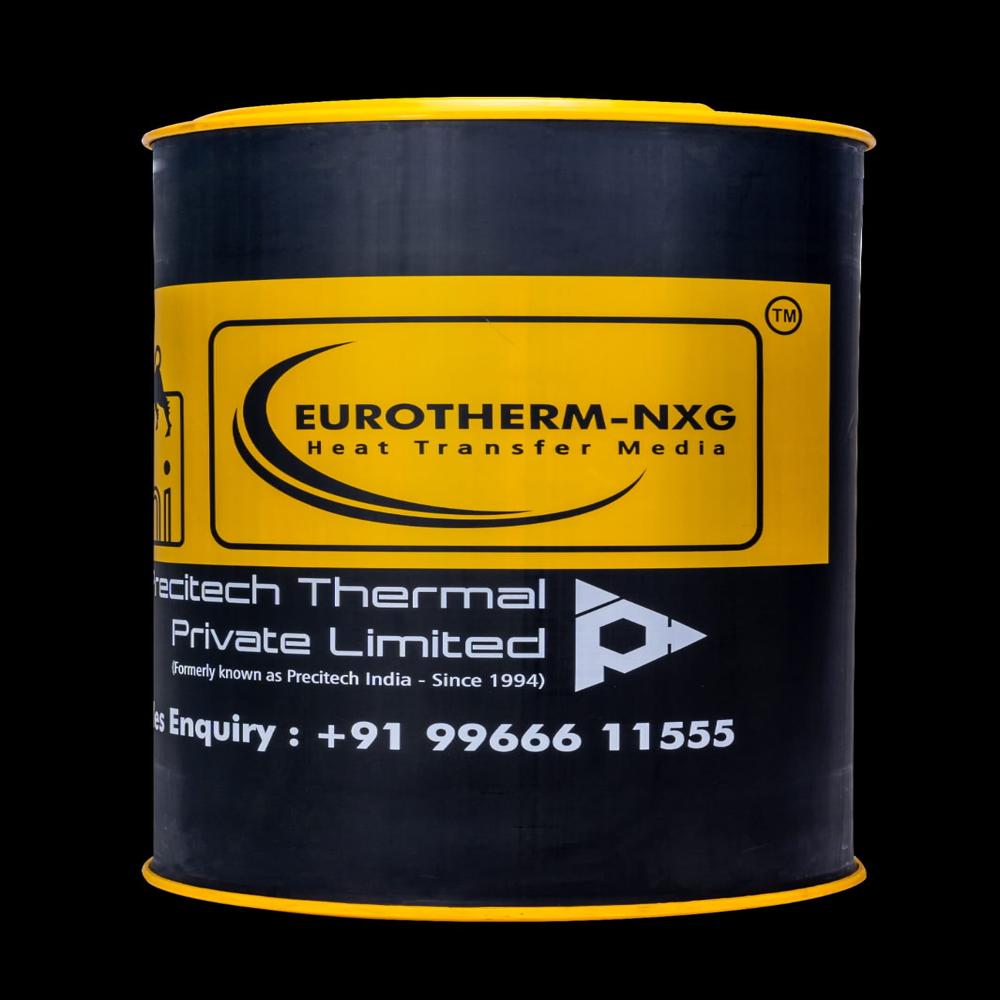
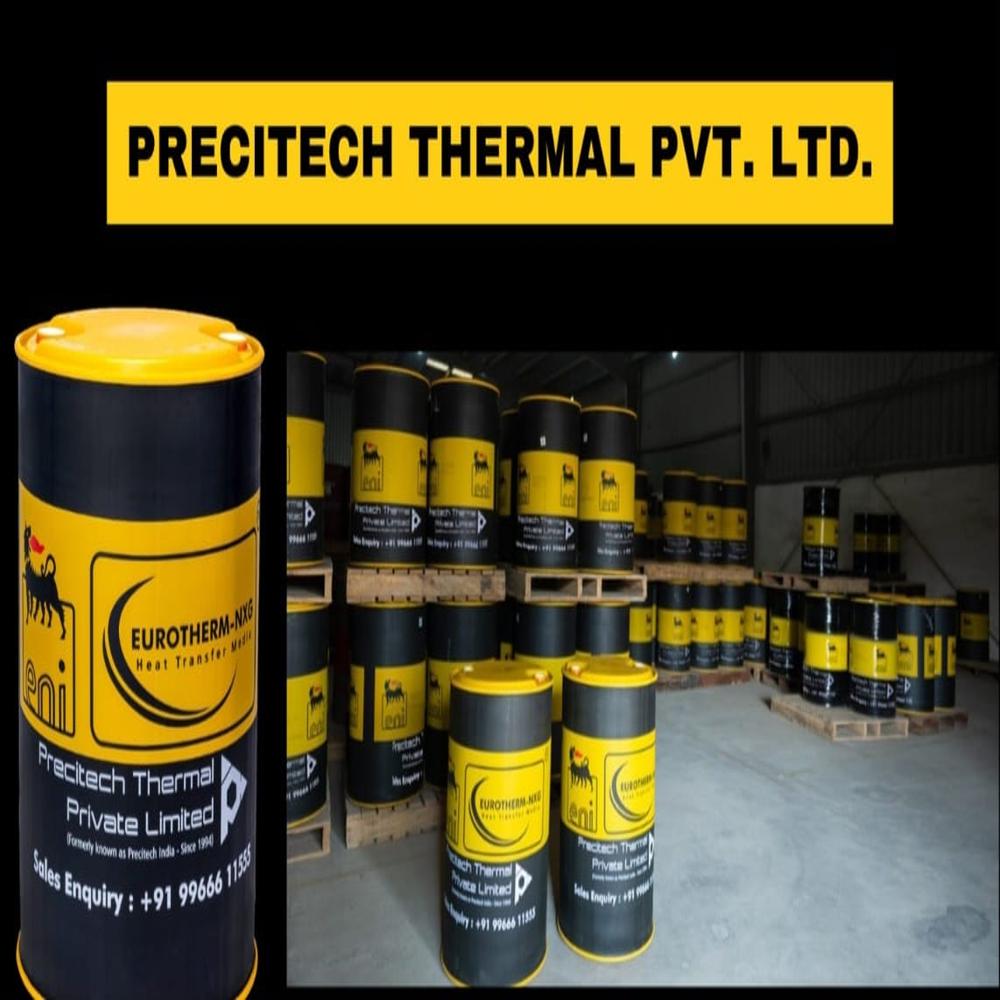
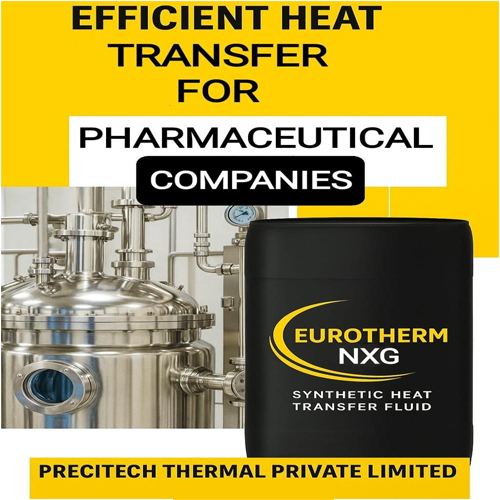
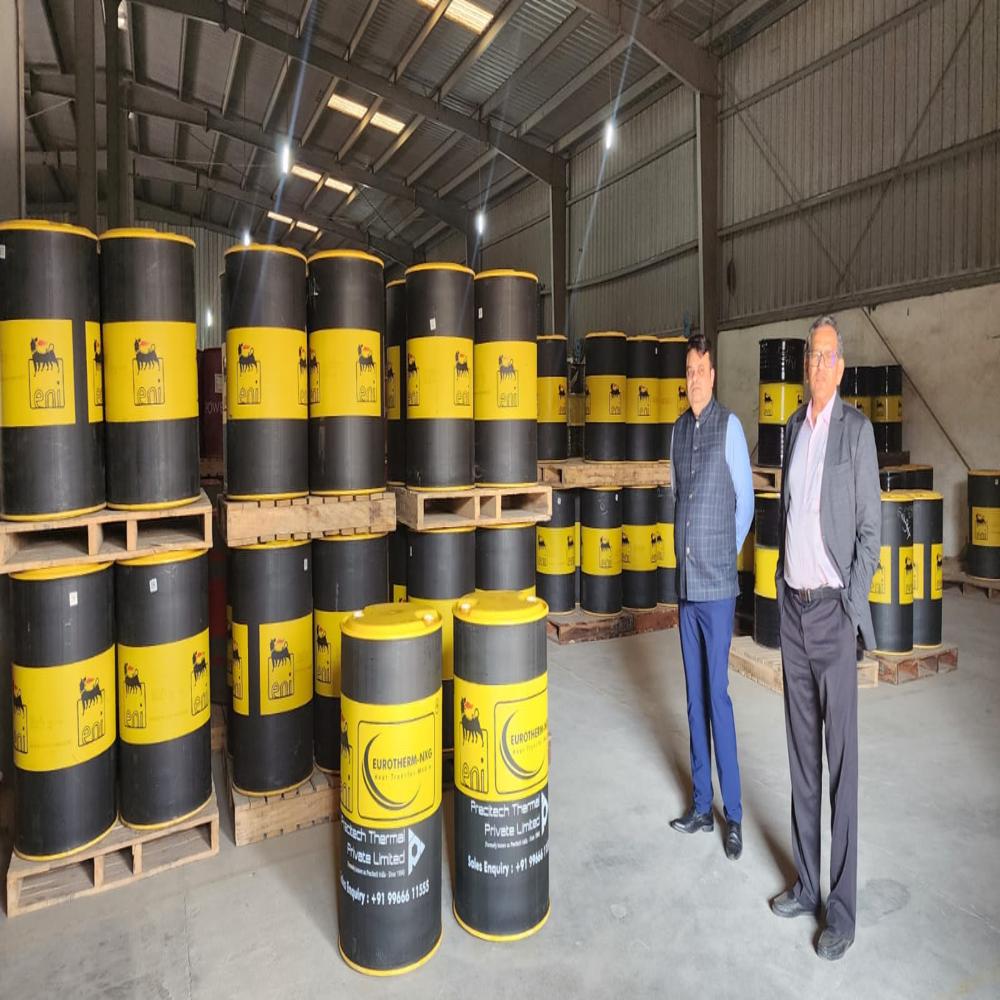
EUROTHERM-NXG
The Next-Generation's Thermic Fluid
Premium Performance | Cost-Effective | Long-Lasting
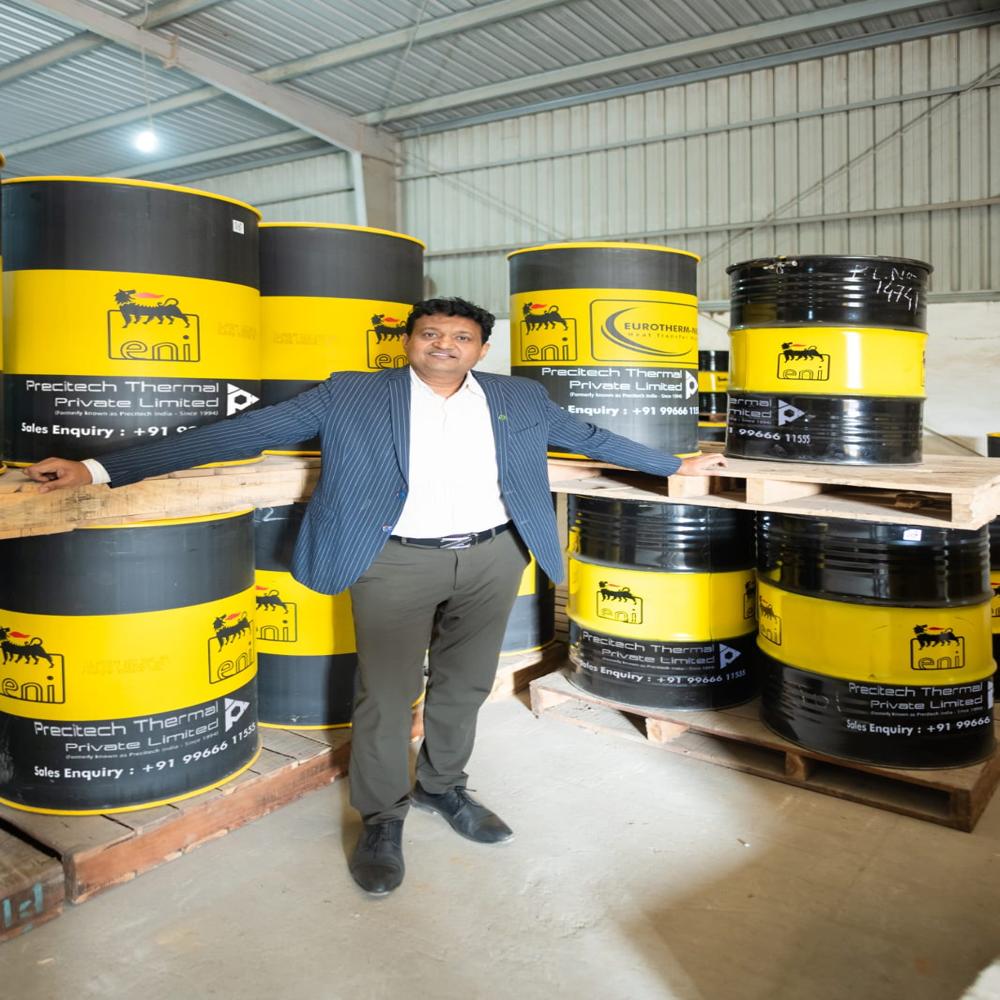
Welcome to Eurotherm-NXG, Indias next-generation Thermic Fluid Oil (Heat Transfer Fluid) by Precitech Thermal, designed for high-performance industrial heating applications. A collaboration between Precitech Thermal (25+ years of expertise) and ENI-Italy (global leader in specialty oils), Eurotherm-NXG offers world-class thermal stability, efficiency, and reliabilityat a cost-effective price.
Comprehensive Study of Heat Conduction
This demonstrator allows students and researchers to analyze and compare heat conduction across four metal specimens-mild steel, aluminium, copper, and brass. The setup provides hands-on experience, deepening theoretical understanding and facilitating real-time data collection through digital displays and optional digital interfaces.
Safety and Precision Built-In
Designed with multiple safety mechanisms, including overheat protection, fuse integration, and ceramic fiber insulation, the apparatus ensures secure operation. Its digital temperature control and thermocouples deliver precise readings, supporting both academic experiments and demonstration activities with reliability.
Ready-to-Use and Portable Design
Delivered preassembled and weighing approximately 35 kg, this table-top unit fits conveniently into laboratories or classrooms. With intuitive controls and comprehensive features, the equipment enables quick setup, minimal downtime, and efficient operation without the need for elaborate installation.
FAQ's of conduction heat transfer:
Q: How does the Conduction Heat Transfer Demonstrator work?
A: The demonstrator uses a rod heater to generate heat, which transfers through four different metal bars. Thermocouples placed along the bars measure the temperature gradient, while a digital temperature indicator allows users to monitor and compare conductivities across the specimens.Q: What materials are included as test specimens in this setup?
A: The apparatus includes four distinct metal bars: mild steel, aluminium, copper, and brass. These materials are chosen for their varied thermal properties, making it ideal for comparative heat conduction studies.Q: When should the overheat protection feature be used?
A: The overheat protection is an automatic feature that activates whenever the system detects excessive temperatures, preventing damage to components and ensuring safe operation throughout experiments.Q: Where can this equipment be installed and used?
A: Designed as a table-top model, this setup is suitable for laboratories, educational institutes, and engineering colleges. Its compact size allows for easy placement on standard laboratory benches.Q: What is the process for data acquisition and analysis?
A: Temperature data can be collected manually using the digital display or via an optional digital interface for streamlined data recording and analysis, enabling users to precisely map thermal profiles and compare results across different metals.Q: How does ceramic fiber insulation benefit the experiment?
A: Ceramic fiber insulation minimizes heat losses from the apparatus, ensuring more accurate measurements and improving the overall safety of the experiment by containing heat within the designated area.Q: What are the main educational benefits of using this demonstrator?
A: The demonstrator enhances learning by providing a tangible way to study thermal conductivity and heat transfer principles. Its manual and digital data acquisition options foster practical skills and analytical thinking, vital for students in scientific and engineering fields.Tell us about your requirement

Price:
Quantity
Select Unit
- 50
- 100
- 200
- 250
- 500
- 1000+
Additional detail
Mobile number
Email

More Products in Synthetic Thermic Fluid Oil Category
heat transfer heat
Price 130.0 INR / Liter
Minimum Order Quantity : 210 Liters
Material : Stainless Steel
Power Source : Electric
Installation Type : Other, Horizontal
Usage & Applications : Industrial heating, chemical processing, food and beverage, pharmaceutical operations
thermic fluid heating
Price 130.0 INR / Liter
Minimum Order Quantity : 210 Liters
Material : Other, Mild Steel
Power Source : Electric / Oil Fired
Installation Type : Other, Floor Mounted
Usage & Applications : Industrial Process Heating
thermic oil heater
Price 130.0 INR / Liter
Minimum Order Quantity : 210 Liters
Material : Other, Mild Steel
Power Source : Electric
Installation Type : Other, Horizontal / Floor Mounted
Usage & Applications : Oil heating, industrial processing, chemical, textile, and food industries
heat conduction
Price 130.0 INR / Liter
Minimum Order Quantity : 210 Liters
Material : Other, Aluminum Alloy
Power Source : Electric
Installation Type : Other, Table Top
Usage & Applications : Laboratory heat transfer experiments, educational demonstration

GST : 36AALCP9547K1ZM
F No 207, Bhanu Enclave, Opp. ICICI Bank, A S Rao Nagar,Hyderabad - 500062, Telangana, India
Phone :07971190504

 Send Inquiry
 Send Inquiry
 Send SMS
PRECITECH THERMAL PRIVATE LIMITED
All Rights Reserved.(Terms of Use)
Developed and Managed by Infocom Network Private Limited.
Developed and Managed by Infocom Network Private Limited.

